Safe, attractive pathways that connect your property and welcome visitors.
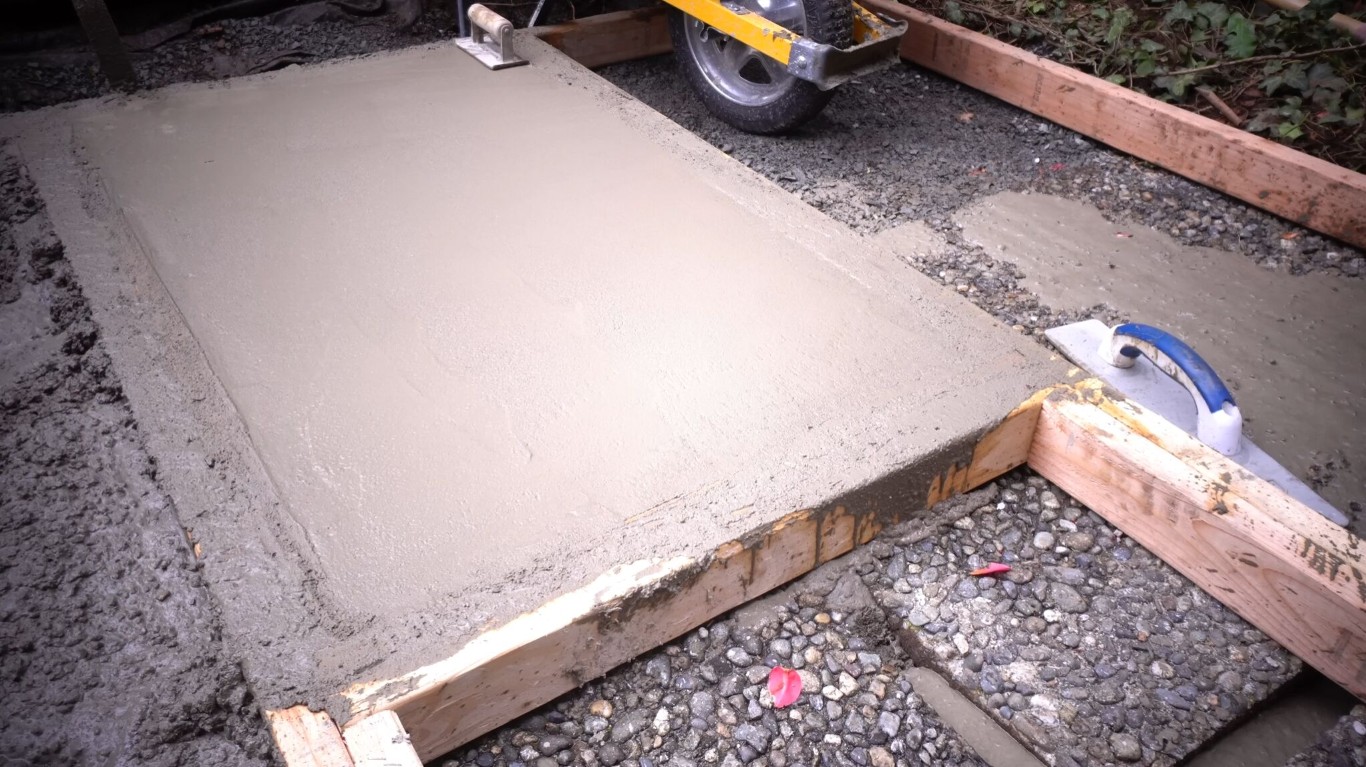
Sidewalks and walkways do more than just get you from point A to point B. They define your property, guide visitors to your door, and provide safe passage in all weather conditions. A well-designed walkway adds curb appeal and makes your home more accessible and welcoming.
We install concrete sidewalks and walkways for residential and commercial properties throughout Findlay and Northwest Ohio. That includes front walkways from the street or driveway to your entrance, side paths to backyards or side doors, garden paths, and public sidewalks that meet municipal requirements.
Concrete is the practical choice for walkways because it provides a stable, slip-resistant surface that holds up to our weather. Unlike pavers that can shift and settle, or gravel that gets tracked into the house, concrete stays put and requires minimal maintenance. It can handle foot traffic, wheelchairs, strollers, and everything else you need to move along these paths.
Safety is a priority for any walkway. We make sure your walks have proper slope for drainage so water does not pool and create ice in winter. The surface finish provides good traction without being rough. Edges are clean and even to prevent tripping hazards. These details matter when family and visitors use these paths every day.
Like any concrete work, sidewalks and walkways need proper preparation to last. We start by marking out the path and determining the best route. Sometimes small adjustments to avoid tree roots or improve drainage can prevent future problems. The layout should feel natural and make sense for how you actually move around your property.
Excavation and base prep come next. We dig to the proper depth, typically 4 to 6 inches for residential walkways, and make sure the grade is right for water runoff. A gravel base provides drainage and prevents settling. This step is especially important in areas with clay soil like we have around here.
Here is what goes into every sidewalk and walkway we build:
We pay attention to how the walkway connects to existing structures like your porch, patio, or driveway. Transitions should be smooth without tripping hazards. If there are elevation changes, we can add steps or ramps as needed to maintain accessibility.
A standard broom finish sidewalk is practical and affordable, but you have other options if you want something more distinctive. Stamped concrete can give your walkways the look of natural stone, brick, or pavers while maintaining the durability and low maintenance of concrete. This works especially well for front walkways where you want to make a good impression.
Colored concrete is another way to enhance appearance. You can match or complement your home's exterior with integral color or applied color hardeners. Borders in contrasting colors or patterns can define the edges and add visual interest without much additional cost.
Exposed aggregate creates a textured surface that looks natural and provides excellent traction. The small stones in the concrete are revealed, creating a durable finish that hides dirt and stands up to heavy use. This is a popular choice for walkways around commercial properties and public areas.
Width and layout choices also affect both function and appearance. A wider walkway feels more welcoming and allows two people to walk side by side. Curved paths can be more interesting than straight runs and help direct foot traffic naturally. We can add small side areas for planters or seating to make walkways feel like designed landscape features rather than just utilitarian paths.
For commercial properties, we ensure all work meets ADA requirements for width, slope, and surface finish. Public sidewalks need to meet local codes for construction and placement. We are familiar with these requirements and make sure your project passes all necessary inspections.
The standard width for front walkways is 3 to 4 feet, which allows comfortable passage for one person with room for packages or an umbrella. If you want two people to walk side by side, 5 feet is better. Side and back paths can be narrower, around 3 feet, since they typically get less traffic. Public sidewalks and commercial walkways often need to be 5 feet or wider to meet accessibility requirements. We help you choose the right width based on how you will use the space and any code requirements that apply.
We can work around trees, but it requires careful planning. We avoid cutting major roots when possible and can adjust the walkway path to minimize impact. Sometimes we build the walkway slightly higher to avoid excavating near roots. Keep in mind that tree roots can eventually lift and crack concrete as they grow, especially with fast-growing trees close to the path. We discuss these long-term considerations during planning so you can make an informed decision. In some cases, a different path route makes more sense than trying to navigate through a root system.
Flatwork is just a general term for any horizontal concrete surface like sidewalks, walkways, driveways, patios, and floors. In the concrete industry, we use it to distinguish from vertical work like walls and foundations. So when we say we do flatwork, we mean all those ground-level concrete projects. The installation principles are similar across all flatwork, proper base preparation, correct thickness and reinforcement, good drainage, and professional finishing. Whether you need a sidewalk, patio, or driveway, it all falls under flatwork and requires the same attention to detail.
We will help you plan and install walkways that enhance both function and appearance. Contact us for a free estimate.
Get Your Free Estimate